I wasn’t handed a business; I built one.
Back in 2014, I was working at the world’s largest motion picture lighting and grip equipment rental provider as their Creative Strategist. I was brought in to bridge the gap between a corporate parent company that had acquired the rental business and its present staff. Not an easy task to undertake, considering both sides did not get along; however, that is what they failed to mention during the recruiting process. Had I known, I would have declined involvement.
I was there for 9 months and put together the internal pitch deck and all related data to present to the parent company’s CEO regarding the company’s proposed UK expansion, to secure approval. It was a lot of hard work, and I was left out of nearly all recognition for my professional efforts.
As an AFAB person, I was deliberately excluded from all company meetings regarding the expansion project that I was tasked to work on by my supervisor, who was the Head of Business Development at the time, who purposefully took credit for all of my work and then expected me to socialize with all parties involved in keeping me out of the project meetings during my working hours as if my exclusion of being given credit for work completed was not constantly occurring — the audacity.
I am on the spectrum and have an INTJ personality; I socialize when necessary and work when necessary to accomplish my goals. In this particular work environment, I was expected to provide emotional labor and not recognized for my professional achievements. I absolutely hated it. Not because of the work, but because of middle management and having cisgender men take credit for my work, constantly, and reap all the benefits.
You see, I was recruited from at the time North America’s largest motion picture lighting equipment manufacturer, which has since closed. I was paid $13 (USD) per hour and held the title of Associate Creative Director. I earned this title through persistent asking and chose to stay in my job, but I wanted a decent living wage that wasn’t being offered. I could not live on $13 (USD) per hour in Los Angeles — no one could then, and they certainly couldn’t now. I was taking 3 buses to go back and forth to work each day. Some days I couldn’t afford the third bus and had to walk quite a bit, specifically from La Brea and Willoughby to Hollywood and Highland, so I could catch my first bus. At that point in my life, I was at my thinnest, clearly from walking but also from the high stress of being underpaid and living in an expensive market.
I started skipping meals because of finances. So much so that my partner noticed and got mad at me about it. My anxiety was extreme at the time, as my partner at the time was placing a substantial amount of pressure upon me to bring in more money. I kept asking for raises, only to be blown off by my manager at the time because he didn’t want to ask his manager for anything. It was so sad because I was trying my hardest and just kept getting dismissed and insulted, as if I wasn’t giving it my all at my job.
As an AFAB person at the time who had yet to transition physically, I had rarely been paid well by many in Hollywood at that point in my career; I had no savings. Every day I felt worse and worse about myself because I was trying my best in an industry that wasn’t reciprocating a living wage at the time.
I felt suicidal. I knew I had to make a change financially or else I wouldn’t make it.
I felt like I couldn’t talk to anyone about any of it because it was so bad. If I missed my first bus in the morning, my then partner would berate me the entire drive to my workplace, so I would often show up wearing sunglasses, having cried the entire drive because she was so mad that I didn’t have a car, that I wasn’t making good money, and that she had to go out of her way to help me. My co-workers would make jokes about me coming in with sunglasses on as if I had “partied too hard last night?” I would have to make jokes to change the subject so no one would know I was getting yelled at and crying regularly, and that’s why I’d wear sunglasses on my way in.
At this time, I was also very stressed out, as I felt I may never be able to pursue my gender transition because I felt I’d never be able to afford it.
So when the opportunity to make $55,000 (USD) a year came my way, I had to take it. And for a moment, I thought that was going to be the answer to my problems and my future career. What I now know to be true is that any job I have taken solely for money, I later regret deeply. I will explain how this one went down and how that led me to building a business of my own.
As soon as I was greeted at the new company I had been recruited by, I could see, after the first company meeting, that faith/religion was frequently and oddly referenced in this working environment. Growing up having attended Catholic school, I found this workplace behavior to be very cult-ish and not what I had signed up for at all.
As the only out and very visibly queer person in the company, I instantly knew this was going to be a problem. Religion in the corporate world is not what I expected to be discussed during mandatory company business meetings. I mean, I didn’t sign up to work at a church, you know, so hearing about god this and god that and praying, it’s not what I was hired to be there for, you know? I was not happy. I never felt like an outcast at my previous job, so I felt I had sold myself for money at the time, and it made me depressed, and it negatively affected my well-being substantially.
Now that we’ve spoken about being exposed to forced religious remarks during business hours, I am sure you can expect where this article is going; I was brought into a business environment as a Creative Strategist and then became micromanaged by a non-creative and non-technically savvy business development manager who rarely hid his misogyny and homophobia. So on one hand I had overtly religious people, and on the other hand I had a boss who was a homophobic misogynist and thought he could make fun of gay men in my presence because he assumed that, at the time, me presenting as a queer person would be ok with that? Absolutely not.
During my time at this production equipment rental corporation, I was tasked with creating an internal pitch deck for the organization’s proposed UK expansion. During the interview process, I was told that if the expansion were greenlit, I would have the opportunity to travel and work in the UK.
Well, the deck I did was stellar, the expansion was greenlit, and that promise was never upheld; however, during my employment, due to my gender, I was expected to expend all kinds of emotional labor for my cisgender male co-workers in terms of small talk that I had no interest in. In the corporate world, people are, it seems, mostly promoted when they take credit for the work of others and/or become an ass kisser — I’m neither of those, so I gave my two weeks’ notice because I wanted out.
When I gave my two weeks’ notice, my supervisor was pissed. You see, he was the one who told them to bring me in; he was also the one who made the false promise of UK travel. Over the next few days, this supervisor pretended he wasn’t upset, and for a moment I believed him. He said, “Hey, let me take you to lunch.” I went, and the reason he took me to lunch was for optics; it was a PR move to make himself appear like a great guy to others, as if my leaving wasn’t heavily influenced by and decided on by his mismanagement, obstruction of access to meetings, lack of professional recognition, and lies. I soon came to understand the depths of my then supervisor’s resentment and anger.
The moment we got back from lunch, we both went to our offices, 30 minutes later, my then supervisor yelled from his office- not a call, not an email, not a text, a yell: “Hey [deadname], get in here!” I was startled by this and went into the room. He started speaking down to me in a very aggressive and demeaning tone: “Where are all of the passwords?! You can’t keep them, and I need them right now!”
When a cisgender man takes the tone he chose to do so at that time, with the hateful look in his beady little eyes, I instantly had had enough. He soon learned that no one person will ever speak to me like that and have something good come out of it.
I walked back into my office, opened my file cabinet, took out my backup hard drive, packed up my briefcase, and went back into his office.
In a calm tone, I placed my backup hard drive down on his desk. I said, “As we already discussed earlier in the week, you have always had all passwords accessible to you in a shared document of which you have always had editing capabilities and full access for the duration of my employment. You now physically have all files and passwords further backed up on this drive. Today is actually now my last day. I had intended to work out the full two weeks for a smooth transition; however, I can see that is now the tone you’ve chosen to take with me. I am done.”
Stunned and silent, he watched as I walked to the HR office. Upon entering the room, I stated, “I had provided two weeks’ notice to my supervisor; considering how I’ve just been spoken to, today is my final day. Do you need anything from me to facilitate my exit?” Surprised, she said, “We have an exit interview that we like to conduct,” as she pulled a printed sheet from her files. I said, “Not a problem.” I then spent about 5 to 7 minutes writing my exit interview answers, detailing my work experience with the organization and stating that I would never be associated with this corporation again because my manager was incompetent and unprofessional. I then left.
Not two weeks later, I had already crafted my new business website and posted examples of my most recent work. I was then phoned by my former supervisor and verbally threatened to remove my work examples from my time at the rental equipment organization. I calmly and directly responded, “I didn’t sign a non-disclosure agreement, and these are examples of my work. I will not be removing them. Do not call me again.” I then hung up.
To be an AFAB person working in Hollywood in that part of the industry at the time, there was no one I could speak with because when word got around, I had quit a company that most in that area of the business stay in as lifers; people were shocked. My former “colleagues” didn’t want to lose business from my former employer, as they were, and potentially still maybe their largest customer in terms of motion picture light and grip equipment manufacturers, being that they are a worldwide equipment rental organization.
At that point, I decided to build my marketing agency. It wasn’t easy, but it was great for about nine years. I had a great run; I worked on a lot of fun accounts, and millions, and millions of people have seen my work; they don’t know it was me because I was subcontracted by larger agencies, creating and managing social content for them on top of the work I created for my retainer business clientele.
Then I decided to start my physical transition and promptly lost a lot of business based upon informing my then-clients of this, and, at the same time, my then partner of seven years left me as well. It was rough.
The thing is, after that I navigated some very, very heavy life matters and, for nearly the last ten years, have since experienced a lot of workplace discrimination, which has resulted in the fluctuation of my finances. However, I am still here, now with a broader set of skills, a larger media presence, literary works, and a more diverse mix of professional expertise.
I am proud to still be working here in Los Angeles, to have secured effective earned media placements, expanded my activism, and had my literary works distributed worldwide.
That said, some people are driven to build businesses; some people are handed them. You won’t know until you have a substantial conversation with someone whether they actually have the grit it takes to survive in an industry in an expensive market with limited resources and to continue growing.
Rarely will you find this trait of tenacity and drive in those who were handed a business.
We all come from different circumstances, with varying resources and support systems, or a lack thereof.
When you are speaking with someone in public relations who says they want to earn your business, ask them how they went about building their own.
If they truly earned it, you will know; they will have the stories to back up the journey to their success. They won’t shy away from discussing the ups and downs because it’s been part of their process and they’ve grown from it.
If you can speak with someone who can reflect a lived experience of making something out of nothing, many times over, who does not stay down for long, that is a person worth placing your money behind, because they will respect its value and bring their A game consistently.
After all, that’s just how someone like myself is built.
When you are ready for a publicist who operates with integrity and determination, you can find me at: cotterthecreative.com
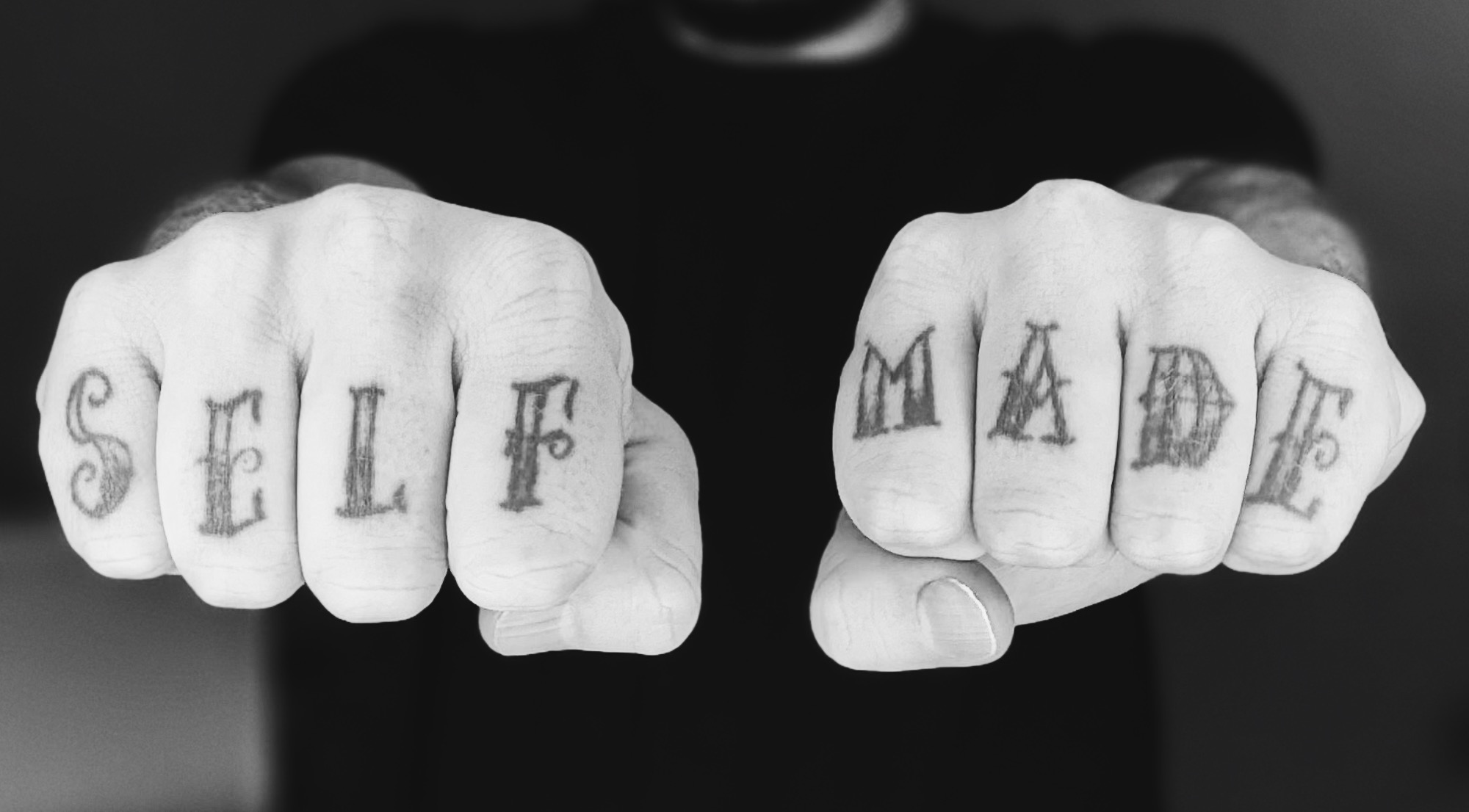
I am not cheap. I am reasonable. I am self-made.
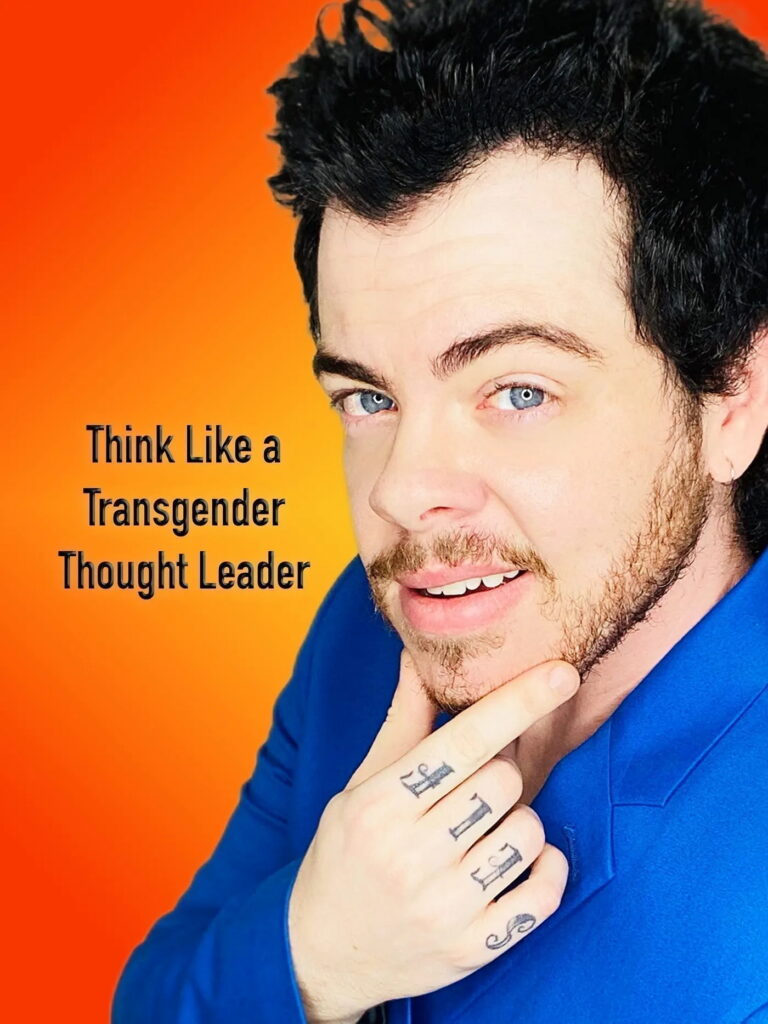
ABOUT DYLAN THOMAS COTTER:
Rebel with a cause, driven by authenticity, self-expression, and liberation for all.
Dylan Thomas Cotter is a strategist, public relations leader, and brand communications executive with more than fifteen years of experience at the intersection of entertainment, media, and technology.
Cotter is known for securing numerous Tier 1 (top-tier) and Tier 2 media placements across key markets including but not limited to GQ, Rolling Stone, Out Magazine, The Advocate, Pride, Inked Magazine, Real Simple, VICE, KTLA, Reader’s Digest, Mashable, Yahoo! News, Yahoo! Life UK, Newsweek, Men’s Health, Parade Magazine, Betches, U.S. News & World Report, Women’s Health Magazine, NursingColleges.com, Women.com, South China Morning Post, Truthout, MIC, The Manual, Curl Magazine, International Business Times UK, TechRound, GB News, The Irish Star US, The Mirror, MSN and AOL.
Cotter is an advisor to founders, artists, and executives on brand positioning, reputation, corporate social responsibility, and strategic communications. As an openly gay transgender professional, Dylan Thomas Cotter is committed to fostering inclusive, respectful, and affirming work environments.
His latest book, THINK LIKE A TRANSGENDER THOUGHT LEADER, is out now, and his memoir, TRANSGENDER & TRIGGERING THE LIFE OF DYLAN THOMAS COTTER, is available now at Barnes & Noble, Harvard Book Store, Book Soup, and Skylight Books, amongst other fine retailers, and is distributed worldwide through IngramSpark.