We Are All Not So Different
For anyone who’s gone through any physically altering medical procedure, we know that there’s a story that comes along with every single scar, don’t we? A journey of healthcare self-discovery that led us to a place where we had to do what was best for our own well-being. We know that in those moments, the judgment calls we make about our personal healthcare and welfare have nothing to do with anyone outside of ourselves.
This is why a great many transgender people are staunch participants and allies in the fight for reproductive rights, not only because many of our identities and lived experiences fall within the category of AFAB but also because, every day, we wake up and live our lives with our scars-that it is an act of bodily autonomy and one of self-love. Everyone in this world should be able to make decisions that affect their health and well-being without fear of government intervention, oversight, regulation, and/or imprisonment for defending their human rights.
I Fought For Years to Get Top Surgery, I Then Opted For The Largest Scar Possible
It took me over fourteen years to attain top surgery (listen to my first-hand account on YouTube, or read more in Rolling Stone). As an AFAB person who moved to Hollywood at 19 years old without any outside financial or emotional support, my entire adult life has been consumed with just staying afloat. Economically, Los Angeles has never been a place where many can get ahead and build a substantial foundation without some form of outside assistance.
I didn’t have the luxury of a safety net to fall back on, partnered with a family that, since I moved to LA in 2002, refused to provide any form of emotional support and/or guidance other than always saying ‘just move back’ because they did not support me pursuing my dreams in the first place.
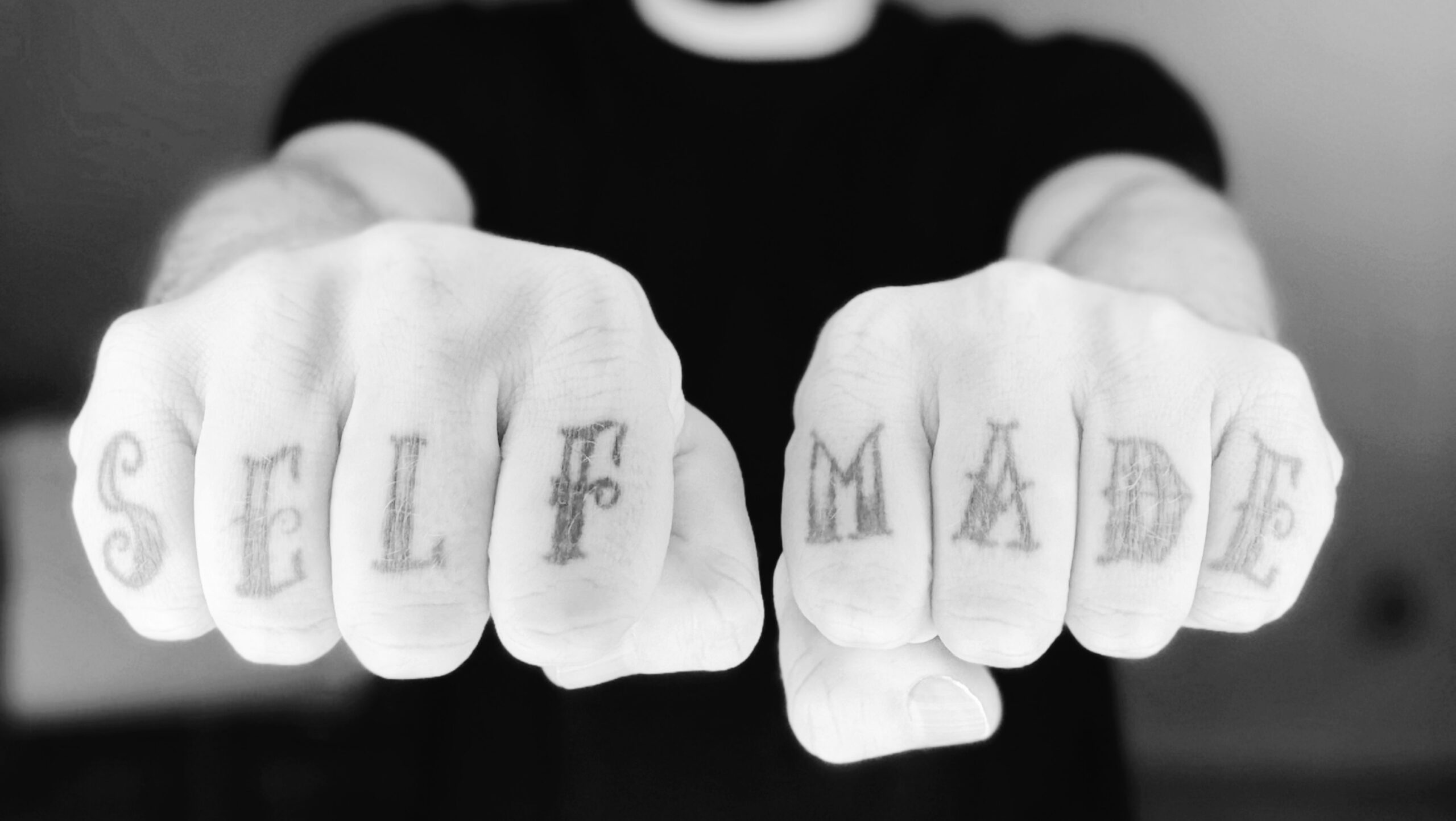
It never really felt like anyone had my back in life but myself; that said, my knuckle tattoos carry a lot of meaning.
So in a job market where AFAB people make less than half that of cisgender men, without my family of origin in my corner and without a sincere career and friend network, I set out to pursue every dream I’ve ever had in Los Angeles.
To date, I have accomplished all but two of my life goals, with one of my accomplished large life goals being transitioning and obtaining top surgery.
I fought through the entertainment industry to make a minimal living and to pick up work; when I couldn’t find work in entertainment, and even while I did, I would moonlight as a janitor in a gym, a baker in a cake shop, and an adult entertainer.
I’ve never been anything but driven to achieve my dreams, knowing that one day the cartoons I drew daily of the fictitious boy I wanted to look like in the second grade but didn’t know was possible, that one day I would work hard enough to transform myself to resemble him, and I have. I have fought through to be included in discriminatory systems that would have rather put me out, which all affected my ability to afford my cost of living and my top surgery. I fought through oppressive systems in employment, housing, and healthcare and struggled for years without health insurance.
At any point, I would have loved for anyone outside my medical professionals to ask how that was all going.
You see, no one in my life ever had the courage or perhaps maybe the interest to ask how it was going and how I was doing. I fought like hell to get through those superficial conversations and never have my humanity as a transgender person acknowledged. I fought like hell without support to navigate systems that are set up to confuse low-income people and keep them from accessing services. I fought through LGBT systems where people dismissed my sense of need and urgency, often assuming that I was doing better financially and emotionally because of the color of my skin.
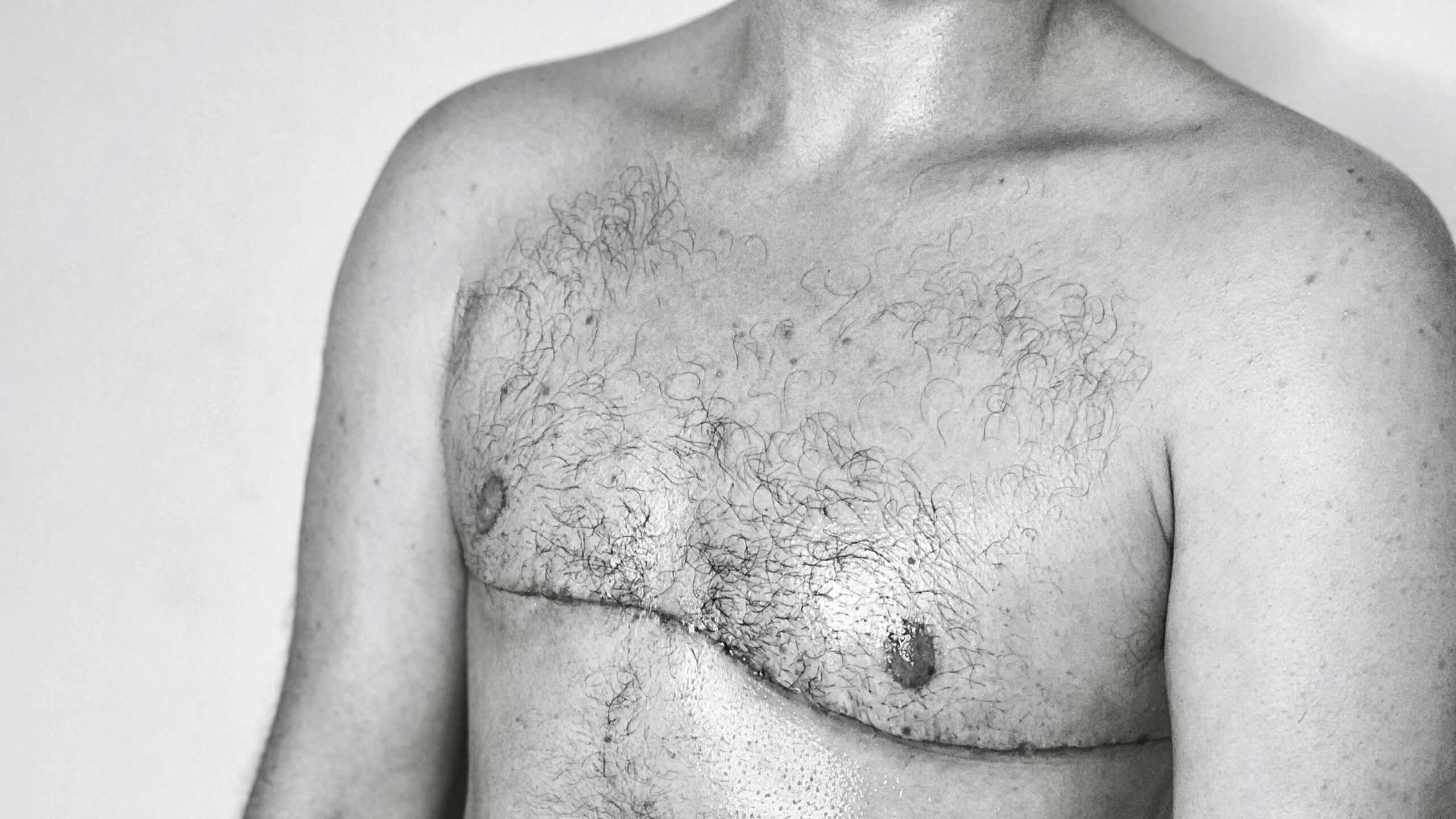
So when I got the opportunity to afford my surgery through the help of Medi-Cal and multiple charitable organizations and volunteers, I got the ability to decide what type of scar I would like for my surgery. I wanted it to unmistakably represent how challenging this life journey has been for me and for me alone.
That said, I chose the absolute largest scar possible, and that scar is part of my journey. That scar does not define the complexity of my overall life.
Appearances Don’t Define Humanity
As transgender people, we will not be reduced to our scars, nor will I when I speak about my life, because my life, in addition to all lives of my fellow transgender people, is nuanced. A significant amount of wisdom lies beneath the surface of my top surgery scar, along with my other life scars. Yet, I see a great many people attempt to reduce transgender people to just that- our appearances as if that is the only way many cisgender people feel comfortable speaking with us about.
As a trans man, I do not care what anyone thinks of my surface-level appearance.
I would find a conversation about your understanding of my community’s human rights and our inclusion in society far more compelling.
You see, as transgender people, we have already had to transcend the topics of vanity, so to someone like me, I need people to meet me at my depth; rarely does it happen, as I often see that they are timidly wading in the shallow end of life as it relates to my community to stay in some form of comfortable ignorance. You can root all of that level of importance based upon one’s appearance back to patriarchy, so your surface-level, appearance-based conversations with trans people, to me, show your lack of understanding about feminism as a whole because we should all, as intersectional feminists, be allies in the fight against reducing people to their appearances and patriarchy, should we not?
Character is What Defines a Person
The cliché goes, ‘when the going gets tough, the tough get going’, and as cliché as it is, there is much truth to that saying.
In life-or-death moments, what do you think defines someone?
I believe it’s who stands up and acts that defines someone’s character, not what they look like.
What matters is how we treat others with respect, consideration, and inclusion while we are alive. That said, the next time you speak with a transgender person and are compelled to only speak on surface-level topics, for example, vanity, challenge your own depth. Challenge yourself to discuss actual topics of lived experience. Relating on a human level with transgender people will happen when your communications are not disseminated through a lens of judgment and/or placing importance on such a depreciating topic as vanity; that is only a small part of the collective experience of what it is to live a human life.
There is so much more to being human than our scars and how we look.
There is much wisdom to gain from speaking with and including people who have walked a life path substantially different from that of your own.
To your success.
ABOUT DYLAN THOMAS COTTER
Rebel with a cause, driven by authenticity, self-expression, and liberation for all.
Rev. Dylan Thomas Cotter is a strategist, public relations leader, and brand communications executive with more than fifteen years of experience at the intersection of entertainment, media, and technology. Cotter is known for securing numerous Tier 1 (top-tier) and Tier 2 media placements across key markets.
His latest books, Dear Cisgender Reader Walk Beside Me: An Invitation to Understanding My Big, Exciting Gay Transgender Life and Think Like a Transgender Thought Leader, are out now.