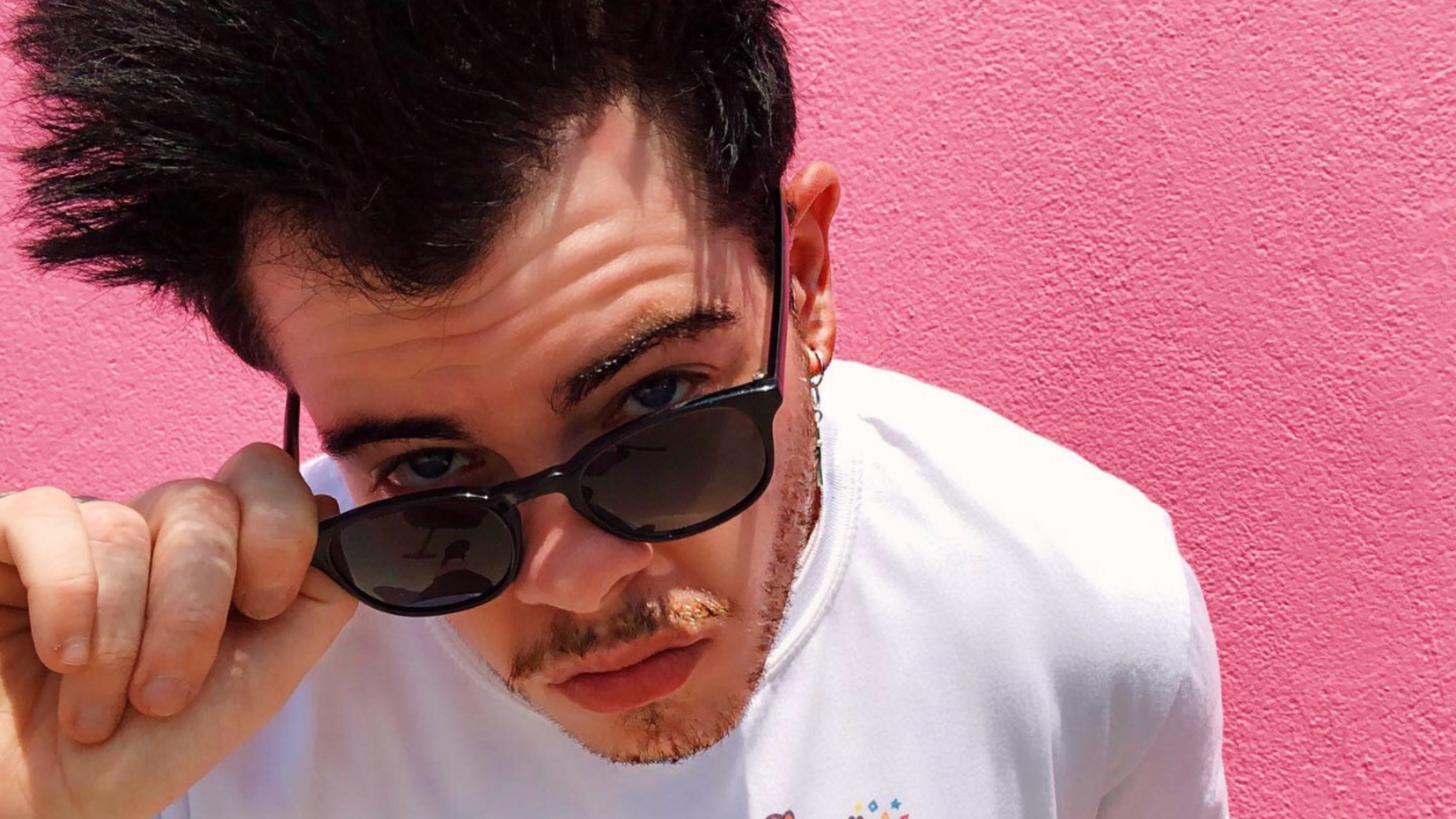
If I am sharing a story about my lived trans experience, it does not negate the lived experience of others.
I recently had this conversation with a cisgender person. They were saying that speaking on transgender issues in the manner in which I do very much triggers their experience during the AIDS crisis, as they explained, there are many parallels. The isolation, fear, hatred, and violence are all simply because you live outside of what society has deemed as the “norm”. But then they reverted to saying that younger queer people now (I am 43) think other gay people haven’t lived through things as well.
So I see that as one of the biggest hurdles to the understanding of my community. The assumption that when one person speaks of their experience, it takes away something from someone else.
That’s not how the world works, as two things can be true at once.
The hateful experience of being treated by society today as a transgender person is horrible, as was the horrible treatment of those with HIV throughout the history of this nation, and specifically in the 80s and 90s.
Our biggest problem in society is apathy, as it is so easy for some to fall into it because they think others do not care about their history and suffering, simply because others are not speaking about them, whereas the individual is confidently speaking on their own behalf regarding their own history.
That’s how you divide a community, and that’s not what I’m about.
As a gay transgender person, I have sincere empathy and understanding for anyone who has experienced what it is like to be deemed “other” by society. I wish this were something that came naturally to cisgender people regarding my transgender community and not something I have to explain — that in fact we as transgender people do care about cisgender people. Still, it is you, as cisgender people who aren’t so convinced that we are worth caring about as equals, because at some point, you bought into the anti-trans propaganda.
Transgender people are not taking away anything from anyone in terms of bathrooms, sports, safety, the historical suffering of any other community, resources, or anything else for that matter, from anyone by speaking our truths.
By speaking these truths, we are documenting our history as best we can and often with little support.
I wish this world were kind, but it often isn’t. Let’s not contribute to the divide between the T from the rest of the LGBQIA+ community by making assumptions when we are all really just seeking to be heard, understood, recognized, respected, and treated as equals.
That is why I stopped posting short-format social media content.
I’d share a whole, personal, unique lived-experience story. The comment section would go wild with people attempting to twist my words and conflate them to their own life, as if my sharing a story from my life that they have never been a part of and never will be a part of was an attack and/or a slight of their own life, of which I am clearly unfamiliar, as I do not know the strangers on the other side of the screen.
I prefer to exist in the world of long-form content, as I find people here more thoughtful about others’ lived experiences.
When people show up authentically and have the confidence to speak about what they have lived, it can get under the skin of those who feel they are not equipped to speak to their own pain and wish they were.
I feel sympathy for people who can’t see that sharing my life story is just that — my life story, and that it does not take away from anyone else’s lived experience.
We can all learn from each other, but it takes people who make others uncomfortable by speaking their truths to do so. I am one of those people because that is my personality.
I am comfortable being hated for it; hell, I’m used to it, but the thing is, I know I shouldn’t have to be, and I’m not too precious to speak on that. And my saying that is not a judgment of others but a public acknowledgment of self.
Make me your villain if you must, but when you do, know this: that’s how the people who currently opress you continue to win in the world, when we become apathetic to the suffering of others.
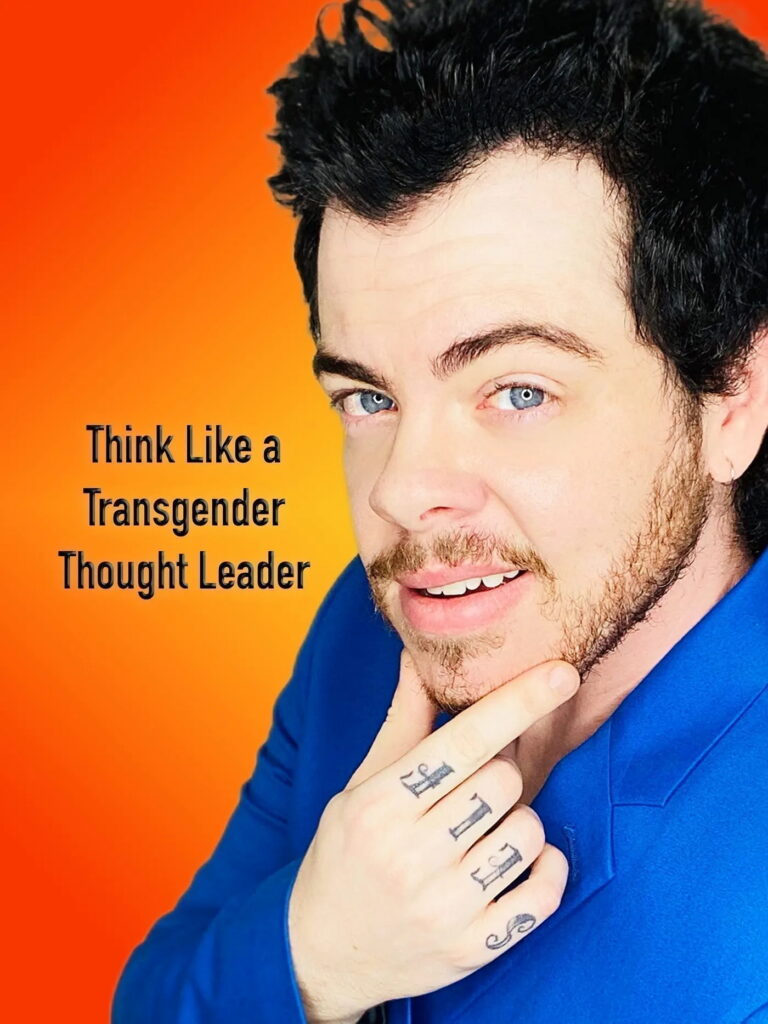
ABOUT DYLAN THOMAS COTTER:
Rebel with a cause, driven by authenticity, self-expression, and liberation for all.
Dylan Thomas Cotter is a strategist, public relations leader, and brand communications executive with more than fifteen years of experience at the intersection of entertainment, media, and technology.
Cotter is known for securing numerous Tier 1 (top-tier) and Tier 2 media placements across key markets including but not limited to GQ, Rolling Stone, Out Magazine, The Advocate, Pride, Inked Magazine, Real Simple, VICE, KTLA, Reader’s Digest, Mashable, Yahoo! News, Yahoo! Life UK, Newsweek, Men’s Health, Parade Magazine, Betches, U.S. News & World Report, Women’s Health Magazine, NursingColleges.com, Women.com, South China Morning Post, Truthout, MIC, The Manual, Curl Magazine, International Business Times UK, TechRound, GB News, The Irish Star US, The Mirror, MSN and AOL.
Cotter is an advisor to founders, artists, and executives on brand positioning, reputation, corporate social responsibility, and strategic communications. As an openly gay transgender professional, Dylan Thomas Cotter is committed to fostering inclusive, respectful, and affirming work environments.
His latest book, THINK LIKE A TRANSGENDER THOUGHT LEADER, is out now, and his memoir, TRANSGENDER & TRIGGERING THE LIFE OF DYLAN THOMAS COTTER, is available now at Barnes & Noble, Harvard Book Store, Book Soup, and Skylight Books, amongst other fine retailers, and is distributed worldwide through IngramSpark.